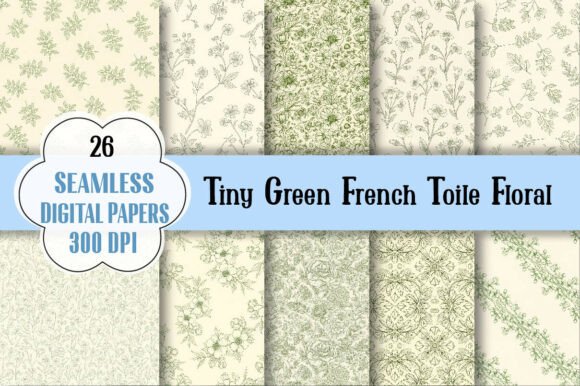
Embracing the Tiny Green French Toile Floral Pattern in Modern Design
The resurgence of classic aesthetics in contemporary digital design is more than a fleeting trend; it represents a shift toward comfort, nostalgia, and timeless elegance. At the heart of this movement is the Tiny Green French Toile Floral Pattern, a design element that bridges the gap between traditional European artistry and modern creative workflows. This intricately crafted digital motif offers a sophisticated yet understated visual language, making it an essential asset for creators ranging from professional graphic designers to hobbyist crafters.
Unlike bold, maximalist prints that often dominate seasonal trends, this specific toile pattern relies on subtlety. The "tiny" scale of the floral elements allows the design to function effectively as a background texture without overwhelming the primary subject matter. Whether applied to a minimalist website interface or a complex scrapbook layout, the green hue provides a natural, calming presence that aligns perfectly with current consumer preferences for biophilic and organic design themes.
The Evolution of Toile in the Digital Age
Historically, Toile de Jouy was characterized by large-scale, monochromatic scenes depicting pastoral life, printed on cotton or linen. However, the modern interpretation has evolved significantly to meet the demands of diverse applications. The Tiny Green French Toile Floral Pattern represents this evolution, condensing the narrative complexity of traditional toile into a seamless, repeatable digital format. This adaptation is crucial for today's creators who require versatility across various mediums.
In the past, utilizing such patterns required physical fabric sampling or manual illustration. Today, the availability of high-resolution digital files has democratized access to these designs. Creators can now integrate this aesthetic into their projects instantly, adjusting scale and color profiles to suit specific brand identities or personal tastes. This shift reflects a broader change in the creative industry where speed and adaptability are paramount, yet the desire for high-quality, artisanal visuals remains unchanged.
The relevance of this pattern also stems from its ability to convey sophistication without appearing dated. In a market saturated with generic geometric shapes and flat colors, the intricate details of a French floral toile offer a point of differentiation. For businesses looking to elevate their packaging or for individuals seeking to personalize their living spaces, this pattern provides a ready-made solution that exudes quality and attention to detail.
Versatility Across Physical and Digital Platforms
One of the most compelling aspects of introducing the Seamless Tiny Green French Toile Floral Pattern is its unparalleled versatility. It is not confined to a single medium but thrives across a spectrum of physical and digital applications. This adaptability makes it a valuable resource for entrepreneurs and freelancers who need to maintain a cohesive visual identity across multiple touchpoints.
For those involved in sublimation graphics and DIY projects, this pattern serves as a foundational element. It is perfect for beautifying everyday items, transforming them into unique pieces. Consider the following applications where this design excels:
- Home Decor and Textiles: The pattern is ideal for printable fabric, allowing users to create personalized pillows, curtains, or table runners that add a touch of chic elegance to any room.
- Paper Crafts and Stationery: Its detailed nature makes it a standout choice for mini junk journals, scrapbook decoupage, and handmade greeting cards. The 300 DPI resolution ensures that even the finest lines remain crisp when printed.
- Branded Merchandise: From cute tote bags and notebook covers to tumbler and mug sublimations, the design helps small business owners create merchandise that feels premium and curated.
- Digital Presence: Beyond physical goods, the pattern works beautifully as a chic background for social media platforms and connected websites, providing a textured backdrop that enhances readability while adding visual interest.
The ability to resize the dimensions of this floral pattern further expands its utility. Whether a creator needs a large-scale print for a wall mural or a miniature version for a sticker sheet, the scalable nature of the vector-based or high-resolution raster source ensures clarity at any size. This flexibility is essential in a workflow where one design asset might need to serve multiple purposes simultaneously.
Practical Implications for Creators and Businesses
For professionals and business owners, understanding how to leverage assets like the Tiny Green French Toile Floral Pattern can lead to more efficient production cycles and stronger brand recognition. In an era where consumers value authenticity and craftsmanship, incorporating such detailed designs can signal a commitment to quality.
Imagine a boutique candle maker looking to update their product labels. Using this pattern as a border or background instantly elevates the perceived value of the product, associating it with tradition and luxury. Similarly, an educator creating materials for a history or literature class might use the pattern to decorate handouts or presentation slides, subtly reinforcing themes of classicism and nature.
The practical benefits extend to party planning and event decor as well. Napkins, plates, and invitations featuring this seamless pattern can create a cohesive and immersive atmosphere for gatherings. Because the design is available in a standard JPG format with high resolution, it integrates seamlessly into existing design software, reducing the technical barrier for entry. Users do not need advanced illustration skills to achieve professional results; they simply need a vision for how to apply the pattern.
Maximizing Quality and Longevity
When selecting digital assets for commercial or personal use, resolution and file integrity are critical. The Tiny Green French Toile Floral Pattern is provided in a high-resolution 300 DPI JPG format. This specification is vital for ensuring clear prints, whether the output is a small sticker or a large fabric panel. Lower resolution images often result in pixelation or blurriness, which can detract from the intricate details that define the toile style.
Furthermore, the seamless nature of the pattern means that it can be tiled indefinitely without visible breaks or interruptions. This is particularly important for larger projects like wallpaper or fabric rolls, where continuity is key to maintaining the illusion of a single, cohesive design. The absence of watermarks or restrictive overlays in the original file ensures that creators have full freedom to manipulate and utilize the design as they see fit, fostering a sense of ownership and creative liberation.
Aligning with Current Lifestyle Shifts
The growing popularity of this pattern also mirrors broader lifestyle shifts towards mindfulness and home-centric living. As people spend more time curating their personal environments, there is a heightened demand for decor and accessories that promote tranquility. The green color palette, associated with nature and growth, resonates deeply with individuals seeking to bring the outdoors inside.
Moreover, the rise of the "maker movement" has empowered individuals to take control of their consumption habits. Instead of buying mass-produced items, many prefer to customize their own goods. The availability of versatile digital patterns supports this trend by providing the raw materials necessary for innovation. Whether it is embellishing a 3D project, enriching a phone case, or designing custom playing cards, the tools are now accessible to anyone with a printer and a creative spark.
In conclusion, the Tiny Green French Toile Floral Pattern is more than just a decorative image; it is a versatile tool that adapts to the evolving needs of modern creators. Its blend of historical charm and digital convenience makes it a timeless addition to any design library. By understanding its potential applications and respecting its technical qualities, users can unlock new possibilities in their projects, creating work that is both visually stunning and deeply meaningful.