Mastering Design with High-Resolution Seamless Fabric Textures and Flat Carpet Patterns
In the world of digital design, architectural visualization, and crafting, the difference between a project that looks amateurish and one that appears professional often comes down to texture quality. Whether you are rendering a cozy interior in Blender, creating a wedding invitation suite, or designing custom vinyl decals for a small business, the foundation of your visual appeal lies in the assets you choose. This is where Seamless Fabric Textures - Flat Carpet patterns become an indispensable resource. These high-fidelity digital papers offer more than just a background; they provide the tactile realism needed to bring flat designs to life.
However, many creators, from hobbyists to seasoned professionals, frequently stumble when selecting and applying these materials. The market is flooded with low-resolution options and poorly tiled images that can ruin hours of work. Understanding the technical specifications and common pitfalls associated with textile and carpet Background assets is crucial for maintaining efficiency and ensuring your final output meets high standards.
The Critical Importance of Resolution and Scale
One of the most frequent mistakes designers make is overlooking resolution until it is too late. You might find a lined fabric pattern that looks perfect on your screen, only to discover it becomes pixelated and blurry when printed or applied to a large 3D model. This happens because the source image lacks the necessary density. For professional results, especially in Printable Scrapbook projects or large-format architectural drawings, you need assets that hold up under scrutiny.
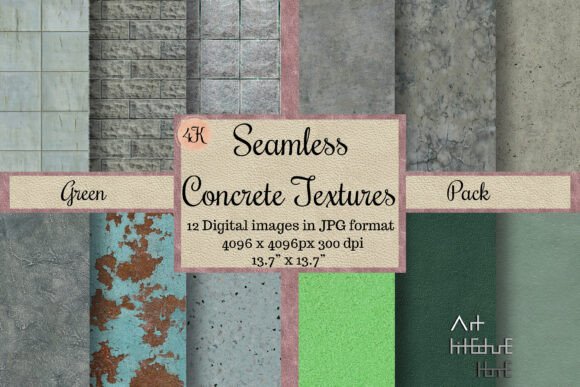
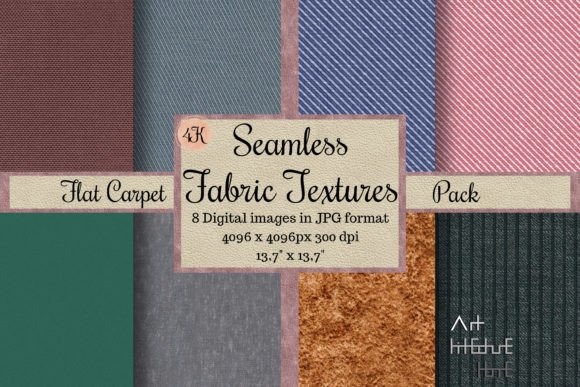
Consider the specific package of Seamless Fabric Textures - Flat Carpet available in 4K resolution. Each image measures 13.7 x 13.7 inches (34.8 cm x 34.8 cm) at a robust 300 DPI. This specification is not just a number; it is a guarantee of versatility. A 300 DPI resolution ensures that whether you are using these files for engraving, creating wedding props, or generating miniature homes sheets for dollhouses, the details remain crisp. Low-resolution alternatives often force you to limit your design size or accept a grainy finish, which can cheapen the perceived value of your product.
Practical Advice: Always check the pixel dimensions before downloading or purchasing. If you are working on architectural drawings or floor plans in software like SketchUp, a 4096 x 4096 pixel texture allows you to cover large surface areas without repeating the pattern visibly. Avoid the temptation to stretch smaller images; instead, invest in high-density packs that include bonus fabrics to ensure you have enough variety and quality for diverse projects.
The Myth of "Seamless" and Tiling Errors
The term "seamless" is often thrown around loosely in digital marketplaces, leading to significant frustration during the application phase. A true seamless texture allows you to tile the image indefinitely without visible edges or breaks. Many users download files labeled as seamless, apply them to a web background or a 3D plane, and are met with obvious grid lines or mismatched fibers. This disrupts the immersion of a 3d fabric material render or ruins the continuity of a vinyl decal sheet.
This issue is particularly prevalent when users attempt to use free textures from unverified sources. While searching for a free texture or a blender texture pack is common, not all "free" assets are created equal. Poorly edited seams can cause distracting artifacts in cgtexture libraries or fail when used in texturepacker workflows. When a carpet texture does not tile correctly, it draws the eye away from the main subject of your design, breaking the illusion of reality.
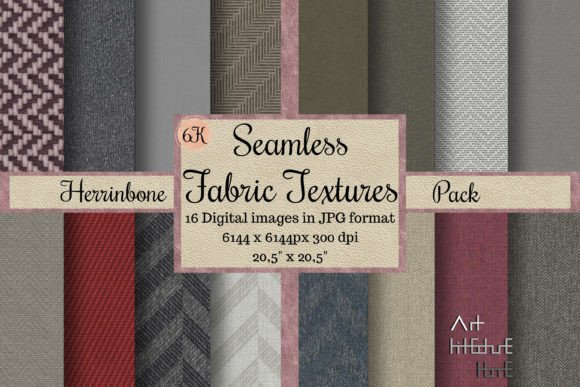
To avoid this, look for packs that explicitly state they are "Easy to Tile" and verify the edge matching. The included 8 seamless fabric textures plus a bonus fabric in this collection are engineered specifically to eliminate these edge issues. When you apply these to a dollhouse sheet or a cut machine project, the pattern flows naturally, mimicking the continuous weave of real cloth. This attention to detail saves you time on post-processing and ensures a polished final result.
Matching Texture to Application: Beyond Aesthetics
Another common oversight is failing to match the texture type to the specific medium or software being used. A texture that works beautifully as a Blender material might require different handling when used for decoupage or stickers. Beginners often assume that any image file will work universally, but the context matters. For instance, a 3d texture intended for rendering might rely on normal maps that aren't necessary for a flat Digital Paper print, while a flat scan might lack the depth cues needed for realistic lighting in a 3D environment.
Furthermore, color accuracy is often misunderstood. Screens display colors in RGB, while printers use CMYK. A Grass texture or a vibrant Desert texture might look stunning on a monitor but print dullly if not managed correctly. When using these files for cards Invitation objects or printable designs, it is essential to preview how the colors translate to physical media. High-quality packs usually account for this by providing rich, balanced colors that translate well across mediums.
Better Approach: Before committing to a full project, test a small section. If you are using these for Cricut projects or vinyl decals, print a sample to check color fidelity and cut lines. For 3D artists using SketchUp texture libraries or Free 3D texture sites, apply the material to a simple plane first to check the scale and tiling behavior under your scene's lighting. This proactive step prevents wasted materials and time.
Maximizing Versatility Across Industries
The utility of a high-quality Fabric texture pack extends far beyond simple backgrounds. Entrepreneurs and small business owners can leverage these assets for branding materials, such as stickers and packaging inserts, giving their products a premium feel without the cost of custom photography. Educators and bloggers can use these Digital Papers to create engaging visual content that stands out in a crowded feed.
For those in the architectural and interior design fields, having access to realistic textile and carpet Background options is vital for client presentations. A realistic wall texture art or floor covering can help clients visualize the final space more effectively than a flat color swatch. Similarly, hobbyists involved in Scrapbooking or creating miniature homes benefit from the intricate details that high-DPI files provide, allowing for precise cutting and layering.
When evaluating resources, consider the breadth of the library. A pack that includes varied patterns—from subtle linens to bold carpets—offers better value than single-image downloads. It allows for consistency across a project while providing enough variety to keep the design dynamic. Whether you are looking for a free texture to experiment with or investing in a premium texturehaven style collection, the goal is to find assets that enhance your workflow rather than complicate it.
Making the Right Choice for Your Project
Ultimately, the success of your creative endeavor depends on the quality of your foundational elements. Don't let poor resolution, bad tiling, or inappropriate texture selection undermine your hard work. By choosing verified, high-resolution assets like the Seamless Fabric Textures - Flat Carpet pack, you ensure that your architectural drawings, wedding props, and digital renders stand out for the right reasons.
Take the time to review the specifications: look for 300 DPI, 4K resolution, and confirmed seamless tiling. Avoid the trap of settling for "good enough" when professional-grade tools are accessible. Whether you are a freelancer delivering to a client or a hobbyist creating a gift, the attention to detail you show in your asset selection reflects the quality of your final output. Embrace these high-quality patterns to elevate your designs, streamline your process, and achieve results that truly resonate with your audience.
For further clarification on how these files can integrate into your specific workflow, or if you have questions about compatibility with your preferred software, reaching out for details is always a wise move. Investing in the right tools today saves you from correcting mistakes tomorrow.